

Understanding HDPE Pipeline Services
HDPE Pipeline Services are becoming the standard for industries and utilities that demand durability, efficiency, and long-term performance. High-Density Polyethylene (HDPE) pipelines are valued for their strength, flexibility, and corrosion resistance, making them an ideal choice over traditional steel or PVC. These pipelines serve critical roles in water supply systems, gas distribution, sewage networks, and industrial facilities. The services surrounding HDPE pipelines go beyond installation—they include design, maintenance, inspection, repair, and rehabilitation to ensure optimal performance throughout the pipeline’s lifespan. With global infrastructure demands rising, HDPE Pipeline Services are essential for both new projects and retrofitting older systems. By working with professional providers, organizations benefit from safe, compliant, and efficient operations. The growing reliance on HDPE pipelines underscores their importance in delivering uninterrupted utility services to industries and communities.
Benefits of Choosing HDPE Pipeline Services
Selecting HDPE Pipeline Services brings numerous advantages to organizations and municipalities seeking reliable infrastructure solutions. One of the most significant benefits is durability—HDPE pipes resist corrosion, chemical exposure, and environmental stress cracking, which are common issues with metal and concrete alternatives. The jointing techniques, such as butt fusion and electrofusion, create leak-free, monolithic systems that drastically reduce water loss and gas leaks. These pipelines are also lightweight and flexible, enabling installation across varied terrains, including rocky landscapes and underwater applications. HDPE pipes are known for their longevity, with lifespans that can exceed 50 to 100 years when properly installed and maintained. Reduced maintenance requirements translate into lower lifecycle costs, making them a cost-effective solution for governments and industries alike. Beyond performance, HDPE is an environmentally responsible option because it is recyclable and contributes to lowering the carbon footprint of infrastructure projects. Organizations that choose HDPE Pipeline Services position themselves for long-term resilience and sustainability.
Installation Techniques for HDPE Pipeline Services
A vital aspect of HDPE Pipeline Services is the specialized installation process, which ensures system strength and performance. Providers employ both traditional trenching and trenchless methods, with the latter including horizontal directional drilling to minimize surface disruption. Butt fusion welding is a cornerstone of HDPE installation, where pipes are joined end-to-end under heat and pressure to create seamless, high-strength joints. Electrofusion provides another option, using embedded electrical coils to fuse pipe surfaces, making it ideal for tight spaces or specialized applications. Proper preparation and handling of pipes before installation are critical to prevent stress or damage during operation. Safety protocols and compliance with local and international standards are emphasized throughout the process to protect workers and communities. Advances in fusion equipment and trenchless technology continue to improve efficiency, speed, and precision in pipeline installation, making HDPE Pipeline Services more accessible for large-scale and complex projects.
Maintenance and Repair in HDPE Pipeline Services
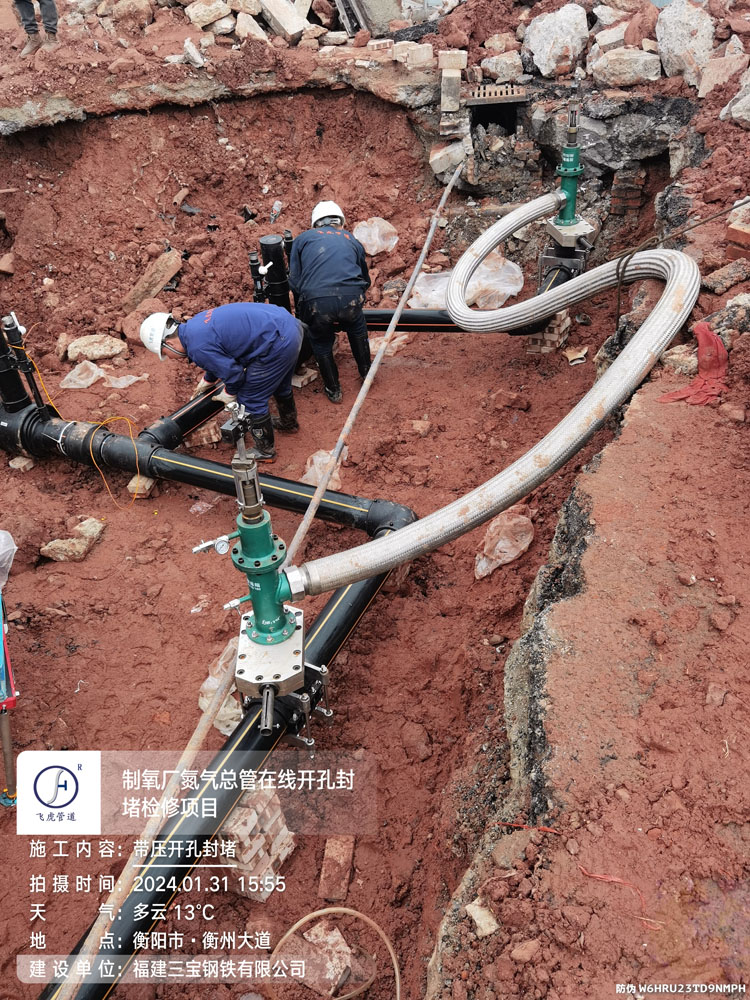
Even the most durable pipelines require proactive maintenance, and HDPE Pipeline Services excel in this area. Regular inspections help detect early signs of wear, joint integrity issues, or external damage, preventing costly breakdowns. When repairs are necessary, advanced techniques like PE line stopping allow operators to temporarily isolate sections of the pipeline without shutting down the entire system. Similarly, PE hot tapping enables the creation of new branches or connections in active pipelines, ensuring continuous service while minimizing disruptions. Hydrostatic testing, video inspections, and non-destructive evaluation tools are often used to assess system reliability and integrity. Certified technicians play a critical role in performing these tasks safely and effectively, extending the service life of HDPE pipelines. By integrating maintenance schedules and modern repair solutions, downtime and operational costs are kept to a minimum. HDPE Pipeline Services give organizations confidence that their infrastructure will remain dependable under demanding conditions.
Industries That Rely on HDPE Pipeline Services
The versatility of HDPE pipelines has made them indispensable across multiple industries. Municipal water utilities rely heavily on HDPE Pipeline Services for both potable water distribution and sewage management, thanks to their leak-proof design. Oil and gas operators depend on HDPE for its ability to handle high-pressure applications and resist chemical corrosion. Agriculture benefits from HDPE pipelines in irrigation and drainage systems, where flexibility and cost-efficiency are crucial. Industrial facilities transporting chemicals, slurries, or compressed air prefer HDPE for its safety and reliability under harsh conditions. Mining operations utilize these pipelines to manage water, tailings, and other demanding applications requiring strength and abrasion resistance. Renewable energy sectors, including geothermal projects, also incorporate HDPE pipelines due to their thermal stability and longevity. With applications ranging from urban infrastructure to remote operations, HDPE Pipeline Services have become an essential backbone for industries worldwide.
The Role of Technology in Advancing HDPE Pipeline Services
Technology is transforming HDPE Pipeline Services into more efficient and intelligent systems. Smart monitoring devices now allow real-time detection of leaks, pressure changes, and flow variations, enabling quick responses to potential problems. Robotic inspection tools are increasingly used to navigate pipelines and provide accurate assessments without excavation. Trenchless technology advancements minimize disruption to roads, landscapes, and communities during pipeline installations and upgrades. Fusion equipment innovations have improved the strength and consistency of joints, enhancing the overall reliability of HDPE systems. Sustainability is also a key focus, with many providers implementing recycling programs for HDPE materials and promoting eco-friendly practices. Geographic Information Systems (GIS) mapping further enhances pipeline planning, asset management, and maintenance scheduling. As smart cities and green infrastructure projects expand globally, HDPE Pipeline Services are expected to play a central role in delivering sustainable and intelligent utility solutions.
Choosing the Right Provider for HDPE Pipeline Services
Selecting the right provider for HDPE Pipeline Services is crucial for project success. A reliable provider should hold industry certifications, possess extensive experience, and have access to advanced equipment. Safety standards and compliance with regulations must be top priorities to protect both workers and the environment. Organizations should ask questions about project timelines, technology use, and after-service care before committing to a contractor. Providers offering comprehensive solutions—from design to installation, maintenance, and repair—deliver greater value by streamlining processes. While cost is an important factor, decision-makers should focus on long-term value rather than simply the lowest bid. Strong customer support and transparent communication further ensure smooth project execution. Working with a trusted partner guarantees that HDPE Pipeline Services deliver efficiency, durability, and compliance, safeguarding infrastructure investments for decades to come.
Frequently Asked Questions (FAQ)
What makes HDPE pipelines better than steel or PVC?
HDPE pipelines are lighter, corrosion-resistant, flexible, and capable of forming leak-free joints, making them superior for long-term use compared to steel or PVC.
How long can an HDPE pipeline last with proper maintenance?
When installed and maintained correctly, HDPE pipelines can last 50 to 100 years, offering significant cost savings over time.
Can HDPE pipelines handle high-pressure applications?
Yes, HDPE pipelines are designed to withstand high-pressure environments, making them suitable for gas, water, and industrial applications.
What is the difference between butt fusion and electrofusion?
Butt fusion joins pipe ends through heat and pressure, creating a seamless bond, while electrofusion uses embedded coils to fuse pipes, often in confined spaces.
Are HDPE pipelines environmentally friendly?
Yes, HDPE pipelines are recyclable, energy-efficient to produce, and contribute to reducing leakage, making them an eco-conscious choice.
What industries benefit most from HDPE Pipeline Services?
Industries such as water utilities, oil and gas, agriculture, mining, and renewable energy gain significant benefits from HDPE pipelines due to their durability and adaptability.
Can repairs be performed without shutting down the pipeline?
Yes, with methods like PE line stopping and PE hot tapping, repairs and modifications can be made while the system remains active.
- Revenue Share Sales Closers: How Performance-Based Closers Help Businesses Scale Faster

- Continuing the Gap Selling Journey- My Favorite Non-Sales Book

- What a Best Sales Closing Agency Means in Modern Revenue Systems

- Coaching Sales Team Outsourcing: A Strategic Framework for Building High-Performing Sales Organizations

- Digital Services Sales Closers: Mastering High-Performance Closing for Scalable Digital Revenue