


Understanding Coaching Leadership
Coaching leadership is a dynamic approach that focuses on empowering individuals to reach their full potential. At its core, coaching leadership involves fostering a supportive environment where team members are encouraged to learn, grow, and excel. This style of leadership is distinct from traditional authoritarian approaches, as it emphasises collaboration, communication, and personal development. Effective coaching leaders recognise the unique strengths and abilities of each team member and strive to harness these qualities to achieve collective success. By embracing coaching leadership, organisations can cultivate a culture of continuous improvement and innovation.
The Role of Coaching in Leadership Development
Coaching plays a pivotal role in the development of effective leaders. Through coaching, leaders can hone their communication skills, build trust and rapport with their team members, and cultivate a growth mindset. Communication is key in coaching leadership, as it enables leaders to effectively convey their vision, goals, and expectations to their team. By fostering open and honest communication channels, coaching leaders can create an environment where team members feel valued and supported. Additionally, coaching encourages leaders to adopt a growth mindset, embracing challenges as opportunities for learning and development.
Essential Coaching Techniques for Leaders
There are several essential coaching techniques that leaders can utilise to enhance their effectiveness. Active listening is paramount in coaching leadership, as it demonstrates empathy and understanding towards team members’ concerns and perspectives. By actively listening to their team, leaders can identify areas for growth and development, providing tailored support and guidance. Asking powerful questions is another key technique in coaching leadership, as it encourages critical thinking and problem-solving skills. Effective leaders ask open-ended questions that prompt reflection and encourage individuals to explore their own solutions.
Overcoming Common Challenges in Coaching Leadership
While coaching leadership offers numerous benefits, it is not without its challenges. One common challenge is resistance to change, as some team members may be hesitant to embrace new approaches or ideas. To overcome this challenge, leaders must effectively communicate the rationale behind changes and demonstrate the potential benefits to the team. Another challenge is the lack of time and resources, as leaders may struggle to dedicate sufficient time to coaching amidst their other responsibilities. However, by prioritising coaching and investing in resources such as training and development programmes, leaders can overcome this obstacle.
Implementing Coaching Leadership in Your Organisation
Implementing coaching leadership in an organisation requires a concerted effort to create a culture that values learning, growth, and development. This begins with leadership commitment and buy-in, as leaders must lead by example and demonstrate their dedication to coaching principles. Training and development programmes can help equip leaders with the necessary skills and knowledge to effectively coach their teams. Additionally, integrating coaching into performance management processes can ensure that coaching remains a priority and is aligned with organisational goals. By measuring the impact of coaching on leadership effectiveness, organisations can continuously refine and improve their coaching practices.
Resources for Further Development
For those looking to further develop their coaching leadership skills, there are a variety of resources available. Books on coaching leadership, such as “The Coaching Habit” by Michael Bungay Stanier, offer valuable insights and practical strategies for aspiring coaching leaders. Online courses and workshops provide convenient and accessible opportunities for leaders to enhance their coaching abilities. Professional coaching associations, such as the International Coach Federation (ICF), offer certifications and networking opportunities for aspiring coaching leaders. Additionally, coaching tools and templates can help leaders streamline their coaching processes and maximise their impact.
- Revenue Share Sales Closers: How Performance-Based Closers Help Businesses Scale Faster

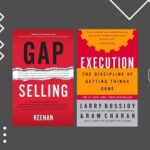
- Continuing the Gap Selling Journey- My Favorite Non-Sales Book
- What a Best Sales Closing Agency Means in Modern Revenue Systems

- Coaching Sales Team Outsourcing: A Strategic Framework for Building High-Performing Sales Organizations

- Digital Services Sales Closers: Mastering High-Performance Closing for Scalable Digital Revenue